INDIE GAMES

Adelaide Remake

Back Alley Tale

Touch It Rikka

Yamanes Love Life
EXCLUSIVE GAMES

Fredina Nights Club

Minesters Touch It Rikka

My Dystopian Robot Girlfriend

Sloven Classmate




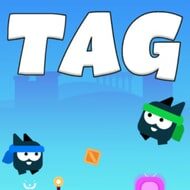
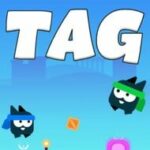
Tag presents a movement-focused experience where players react to shifting layouts, approach opponents strategically, and navigate enclosed areas while attempting to evade capture or pursue targets. The structure depends on awareness of patterns, reading opponent behavior, and selecting movements that maintain momentum. Each encounter unfolds in enclosed arenas where direction changes, path choices, and timing determine outcomes. Sessions vary as players adapt to speed changes, sudden turns, and unpredictable chases.
Within Tag, success depends on understanding how spaces guide direction. Corners, barriers, and open lanes influence how players accelerate or turn. Every arena emphasizes continuous observation and route planning. Reaction speed becomes essential when opponents change direction or appear from hidden angles.
Opponent reactions in Tag change with each round. Some pursue directly, while others take longer routes that require players to interpret intent. Recognizing how opponents adjust movement helps predict turns or find openings. The challenge increases as speed rises or arenas grow more complex.
Tag includes multiple variations that alter pacing and objectives. Some sessions emphasize survival, others highlight pursuit ability, and some encourage balanced switching between roles. Repetition helps develop improved prediction, cornering habits, and timing accuracy. Small adjustments to pathing often yield major results as skill develops.
Tag offers continuous movement challenges shaped by prediction, timing, and spatial control. Progress requires learning arenas, reading opponents, and making deliberate path choices. Its emphasis on momentum and reaction encourages ongoing experimentation and refinement.